
A sound repair-or-replace decision compares more than today’s invoices. Begin with safety, then assess the equipment’s age, condition, repairability, reliability, likely future repairs, operating costs, efficiency changes, and available incentives across the same period. The result is a structured comparison, not a decision based on one percentage alone.
Start With Safety and the Condition of the System
Safety comes first. Shipshape treats a safety hazard as an overriding factor in its decision tree, so an ordinary cost comparison should not be the sole basis for keeping unsafe equipment in service.
Next, document the system’s present condition. Relevant signs include declining performance, increasingly frequent repairs, scarce replacement parts, and rising energy bills. Also record the equipment’s age and expected remaining useful life, because a repair has different value when it restores a system with substantial life remaining than when it extends an aging system briefly.
Reliability, comfort, and downtime belong in the record even when they are difficult to translate into dollars. Together, these observations establish what each option must deliver, rather than reducing the decision to the lowest immediate invoice.

Compare Repair and Replacement Over the Same Period
Choose one reasonable comparison period and calculate both paths across it. For the repair path, combine the current repair quote, estimated future repairs, and operating costs. For the replacement path, combine the replacement price, subtract applicable incentives, and add operating costs for that same period. Comparing unlike time spans can conceal expenses on either side.
Shipshape presents the 50% rule as a starting point, not a universal answer. Its approach adjusts the decision for equipment age, remaining useful life, rebates, efficiency gains, and repeated repairs. The daily.repair guide similarly warns that a simple repair-to-replacement percentage can overlook the condition of the rest of the system, operating costs, possible efficiency savings, and expected repeat work.
Use ranges where future expenses are uncertain, and preserve the assumptions behind each estimate so the comparison can be updated.
Account for Repairability and Repeat Service
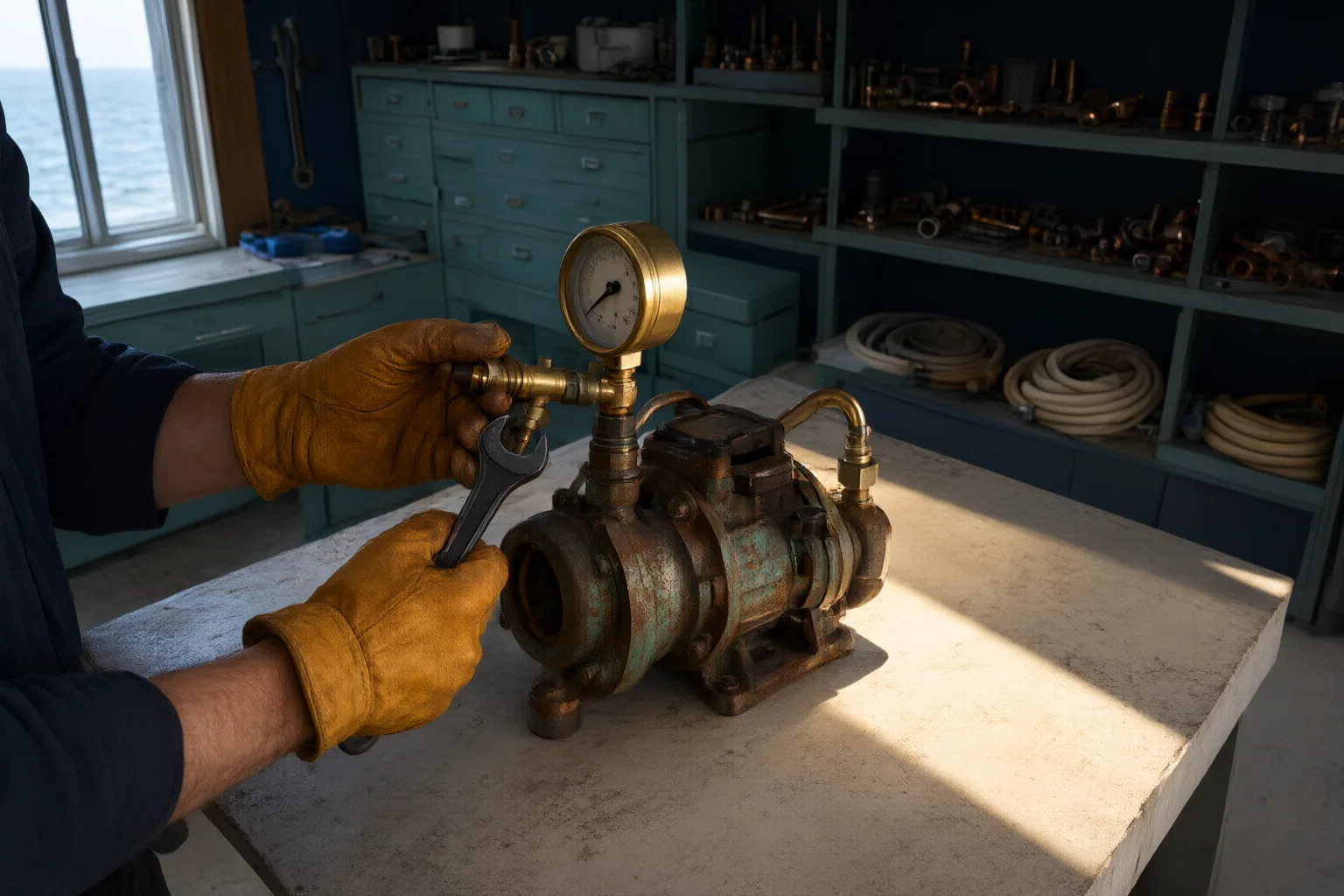
A repair quote does not fully describe how serviceable the equipment will be afterward. The daily.repair guide defines repairability through practical factors including parts availability, component access, service documentation, modular construction, proprietary components, and software restrictions. Diagnostic complexity and labor demands can also affect whether later service is practical.
Consider these factors together. A technically replaceable part may still be difficult to obtain, diagnose, or reach. Proprietary components or software restrictions may narrow servicing options, while accessible components, documentation, and modular construction may make future work more manageable.
Include the likelihood of repeat service calls in the repair path. Both sources recommend looking beyond the first bill because a series of individually affordable repairs may alter the long-term comparison. Record recent service frequency, current parts availability, and known servicing constraints rather than assuming today’s repair will be the last.
Conclusion
The practical choice is a documented comparison of safety, expected remaining life, repairability, reliability, and total costs over a shared time horizon. Immediate price still matters, but it belongs beside estimated future repairs, operating expenses, efficiency changes, incentives, parts availability, comfort, and possible downtime.
Create a side-by-side worksheet with the repair quote and replacement quote. Add the equipment’s age, likely future repairs, projected operating costs for each path, applicable incentives, parts and service constraints, and any safety concerns. Mark uncertain figures as estimates instead of treating them as established facts. Then ask qualified service providers to verify the uncertain assumptions before committing to repair or replacement.
Disclosures and limitations
- This article was prepared with AI assistance from the supplied Shipshape and daily.repair materials. Those sources are commercial or editorial webpages, so numerical rules, estimates, and lifespan assumptions should be independently verified before publication and use.
Related reading
Sources
- Repair vs Replace Decision Framework — Shipshape
- Repair vs Replace: Homeowner Decision Framework — daily.repair