
Why Americans Recite the Pledge of Allegiance at Schools and Civic Gatherings
The Pledge of Allegiance began as part of an 1892 public-school celebration and developed into a familiar civic ritual in schools and public gatherings.…
Read moreCore topics
Explain civic traditions, public language, and the people and debates associated with them.
The Pledge of Allegiance began as part of an 1892 public-school celebration and developed into a familiar civic ritual in schools and public gatherings.…
Read more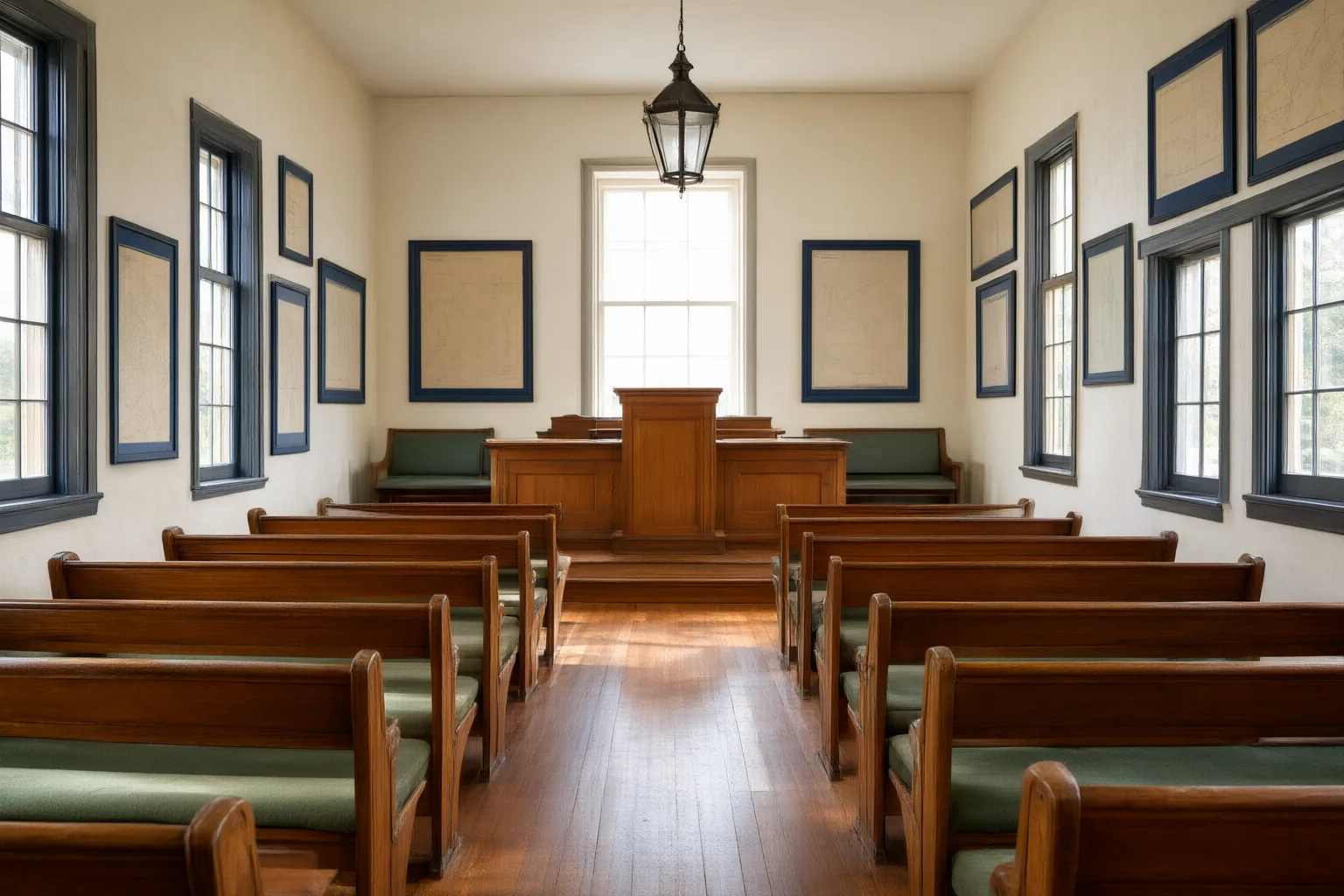
Town halls are associated with public participation because they give residents a recognizable forum to ask questions, express opinions, raise concerns, and communicate directly…
Read more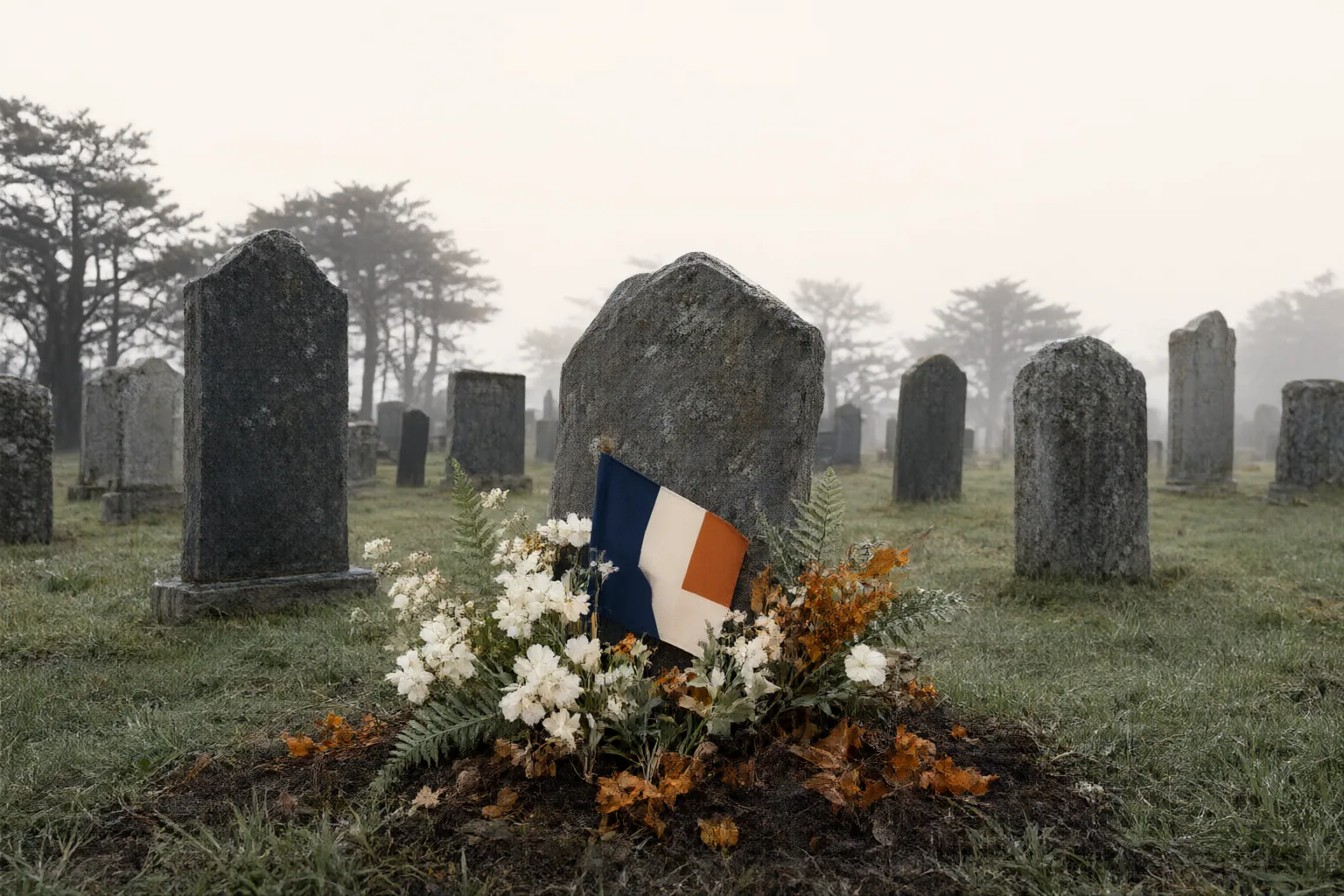
Memorial Day developed from local grave decorations into a recurring civic observance. Flowers, processions, prayer, speeches, flags, cemetery visits, and collective attention made remembrance…
Read more
Use a structured, side-by-side framework to compare repairing or replacing home equipment based on safety, condition, repairability, reliability, and costs over the same period.
Read more
The U.S. naturalization process generally moves from checking eligibility and filing Form N-400 to biometrics, an interview, applicable tests, a decision, and the Oath…
Read more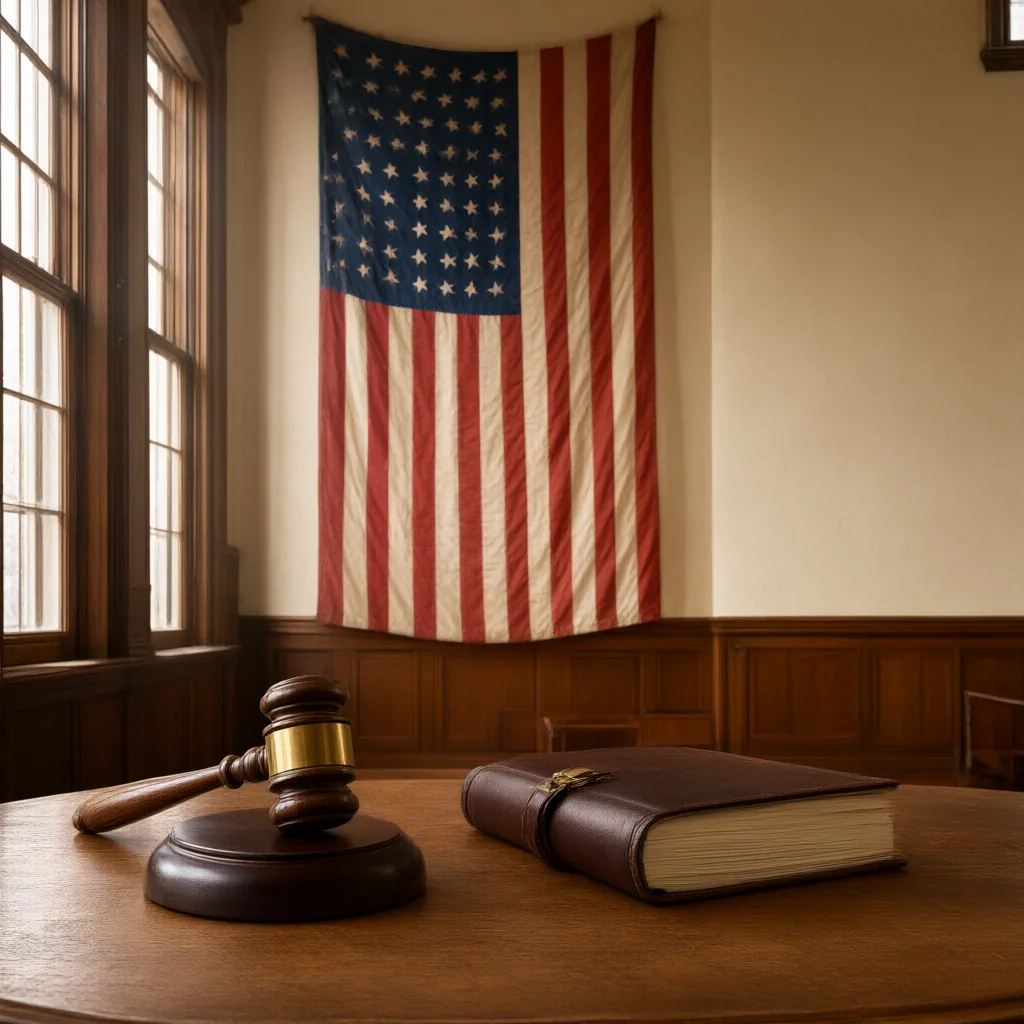
The Pledge of Allegiance sits at the intersection of patriotism, public ritual, and debate about national identity. For students, teachers, and general readers, it…
Read more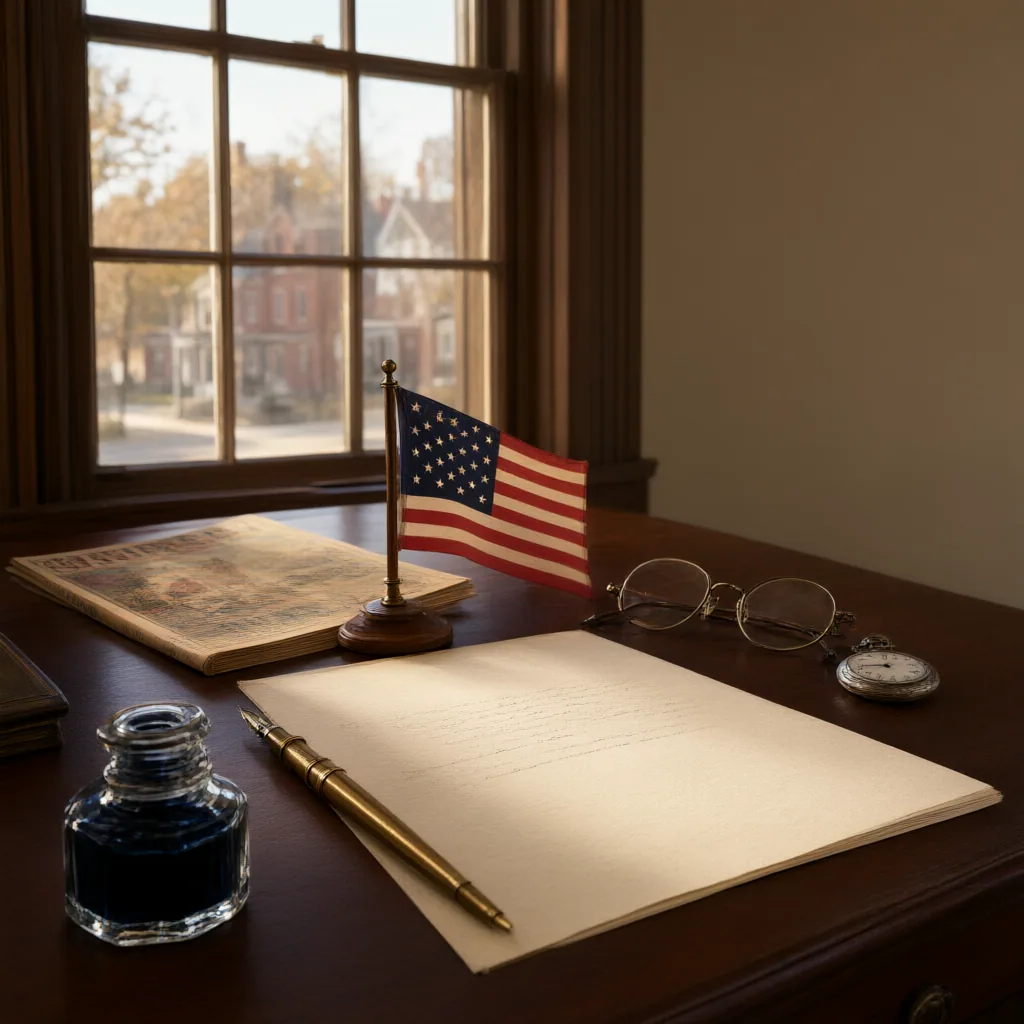
Francis Bellamy matters to the history of the Pledge of Allegiance not only because he wrote its first widely published version, but because his…
Read more
The Pledge of Allegiance sits at the intersection of language, patriotism, education, and public ritual. Readers usually come to it with practical questions: where…
Read more
The Pledge of Allegiance emerged from a specific moment in late nineteenth-century American civic culture, when public ritual, mass education, and patriotic symbolism were…
Read more