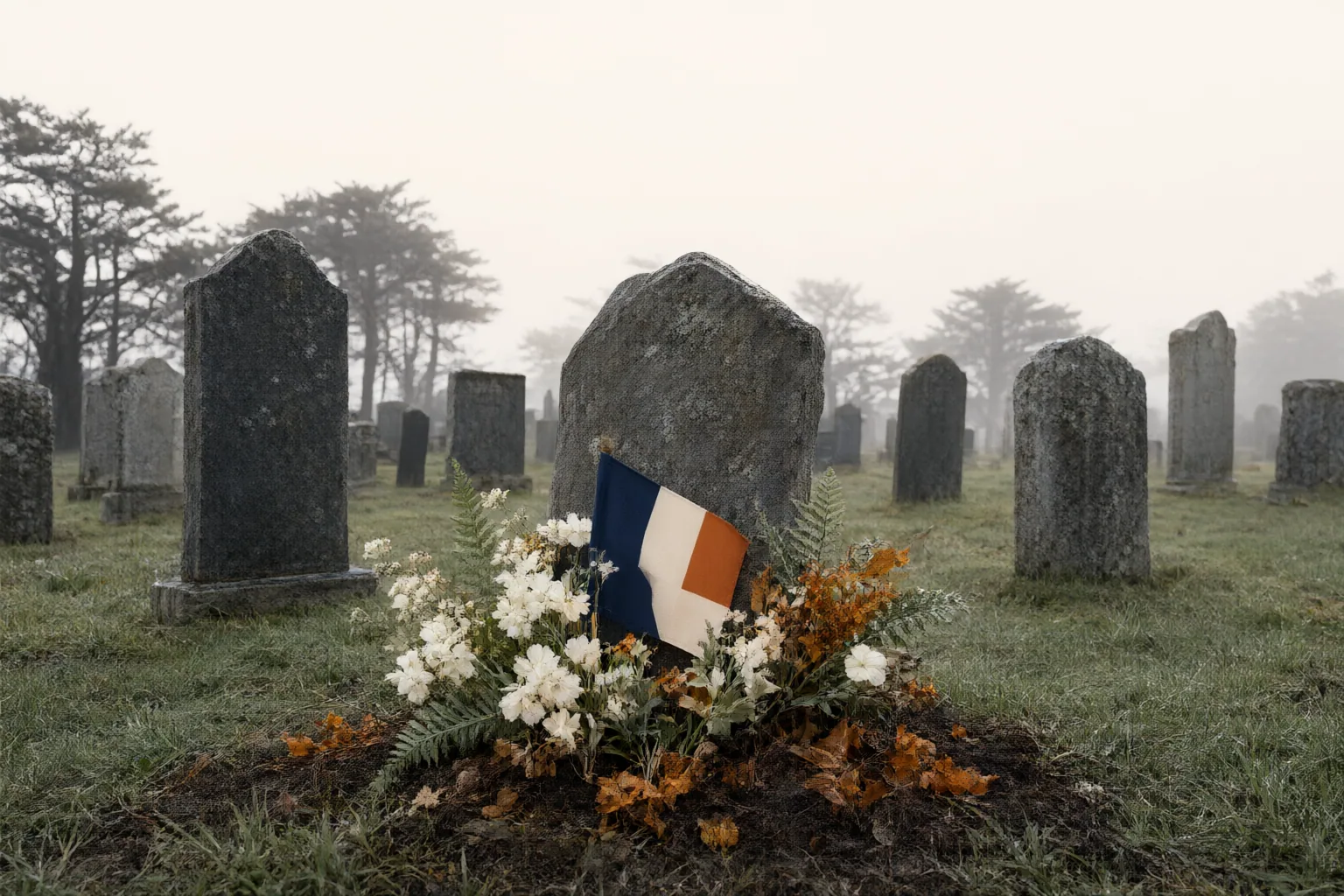
Memorial Day rituals transformed mourning into a recurring civic practice. Through grave decoration, processions, prayer, speeches, flags, and collective attention, communities made remembrance of military dead visible and public.
From Local Grave Decoration to Decoration Day
Near the end of the Civil War, communities began decorating soldiers’ graves with flowers. These commemorations, which became known as Decoration Day, gave people shared places and actions through which to mourn.
One important early observance occurred in Charleston, South Carolina, on May 1, 1865. Thousands of participants, most of them African Americans, joined a procession honoring Union soldiers who had died in a Confederate prison camp and were reburied with greater dignity. The procession demonstrates how care for graves could become a large public statement of remembrance.
Charleston was not the only place associated with the holiday’s beginnings. Several communities claim an early or founding role, and the surviving evidence does not establish one uncontested origin. Memorial Day instead emerged from multiple local commemorations shaped by the aftermath of the Civil War.
How Ceremony Made Remembrance Public
In May 1868, General John A. Logan of the Grand Army of the Republic issued General Orders No. 11, calling for May 30 to be dedicated to decorating graves and remembering the Civil War dead. The order helped give scattered commemorative practices a repeatable date and form.
A major observance at Arlington on May 30, 1868, combined speeches, music, prayer, a procession, and floral tributes. Together, these elements moved mourning beyond an individual visit to a grave. Participants assembled, listened, walked, prayed, and placed flowers in view of one another.
Such ceremonies made remembrance deliberate and visible. Their power rested not simply in decoration, but in repeated public action: gathering at burial grounds, naming the dead, and using familiar ceremonial forms to establish remembrance as a shared civic responsibility.
How the Observance Expanded and Changed
Decoration Day spread gradually rather than becoming nationally uniform at once. New York recognized it as a state holiday in 1873, and most northern states had followed by 1890. Some southern states continued separate commemorations for Confederate dead, reflecting the regional divisions surrounding Civil War memory.
The meaning of the observance also broadened. After World War I, it expanded beyond those who died in the Civil War to include Americans who died in military service in other wars. Since 1971, Memorial Day has been observed as a federal holiday on the last Monday in May.
That purpose distinguishes it from Veterans Day. Memorial Day commemorates U.S. military personnel who died in service, whereas Veterans Day honors everyone who served. The distinction helps explain why cemeteries, graves, and memorials remain central to Memorial Day even as the date has become part of a long weekend.
Conclusion
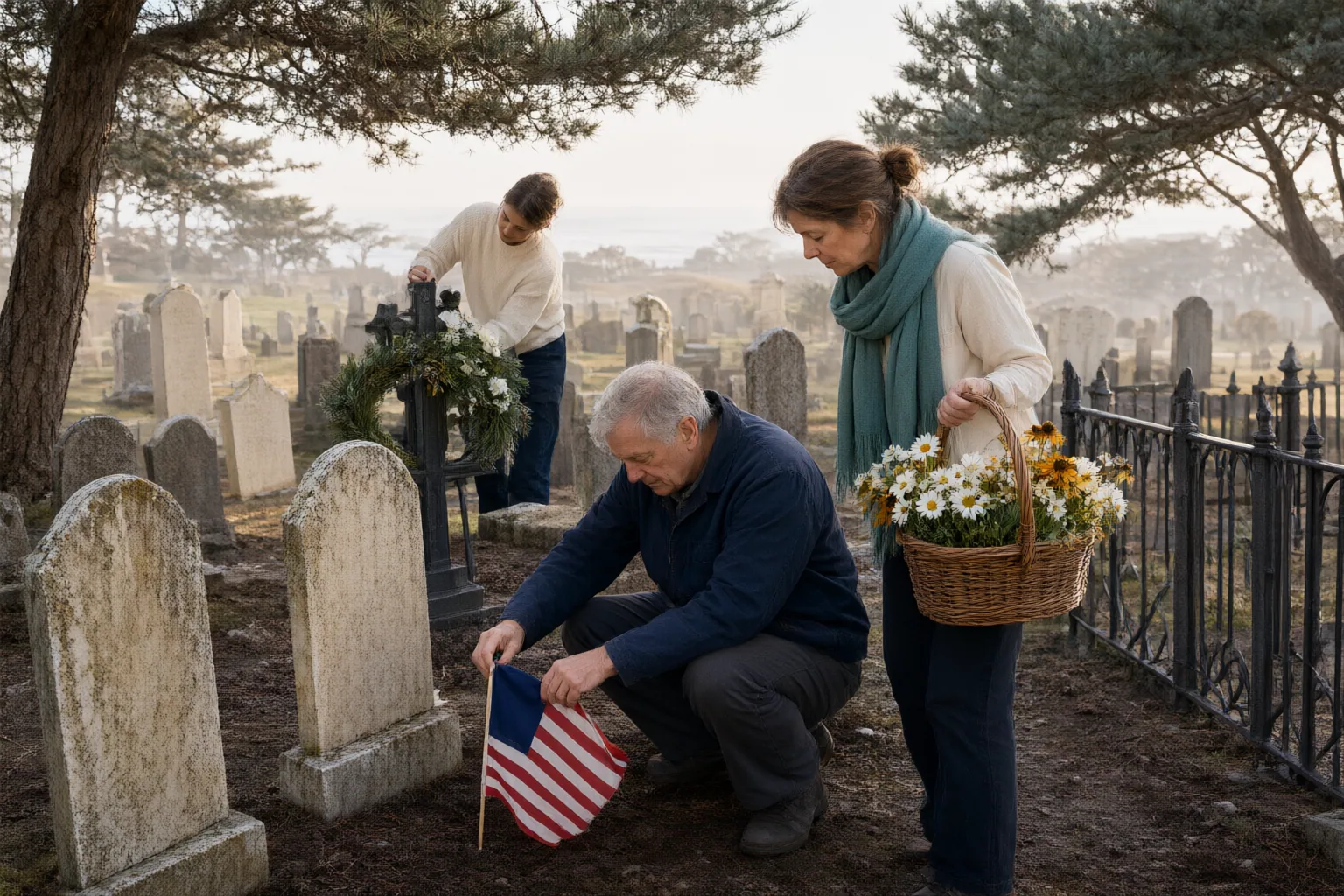
Present-day practices continue to turn remembrance into a public act. People visit cemeteries and memorials, while American flags are placed at military graves. At Arlington National Cemetery, soldiers of the 3rd U.S. Infantry Regiment have conducted the grave-flag tradition known as “Flags In” since 1948.
The Army also identifies reading names, standing in formation, and gathering in cemeteries as rituals that make remembrance public and deliberate. These actions direct collective attention toward particular people and places, linking current observances with the earlier use of processions, flowers, prayer, and speeches.
To examine this civic meaning locally, review the program or practices of a nearby Memorial Day observance. Note where flowers, flags, names, a procession, prayer, or silence appear, and consider how each practice turns mourning into shared remembrance.
Disclosures and limitations
- This article was prepared with AI assistance and is based only on the attributed historical sources identified in the research package. Interpretive connections are presented within those sources’ evidence boundaries.
Related reading
Sources
- Memorial Day – Over 150 Years of Remembrance (U.S. National Park Service) — nps.gov
- Memorial Day – Wikipedia — en.wikipedia.org
- In sacred memory: Memorial Day and the duty to remember — www.army.mil
- National Museum of the United States Army — thenmusa.org
- Memorial Day: History Of America’s Day Of Honor — Civics for Life
- History of Memorial Day in America: How the Nation Began Honoring Its Fallen Heroes — Legal United States
- Meaning And Origins Of Memorial Day — usconstitution.net