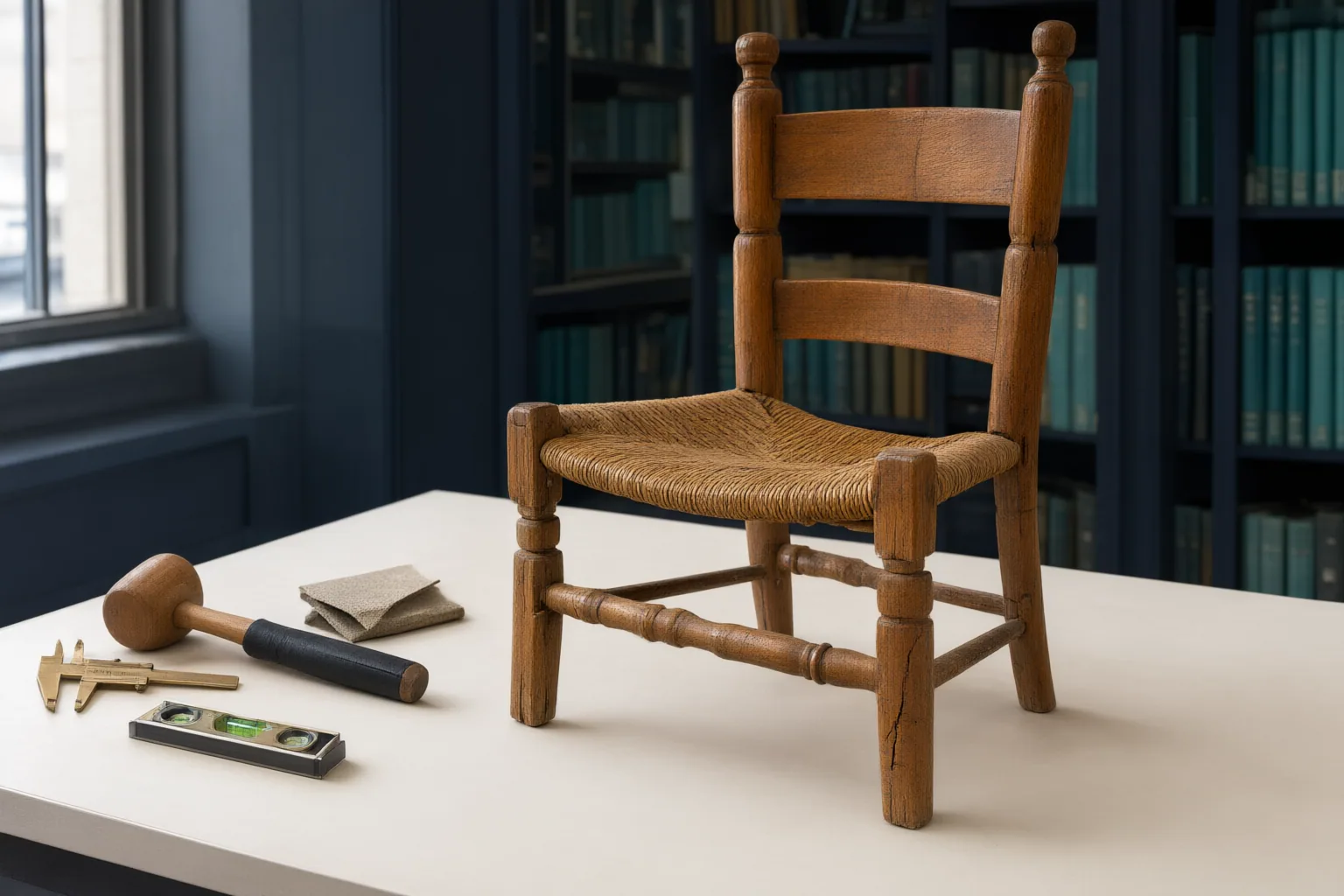
Before repairing, reupholstering, or replacing furniture, examine its structure, supports, hardware, and assembly. Surface improvements cannot resolve an unstable frame or concealed support damage.
Start With the Frame, Joints, and Stability
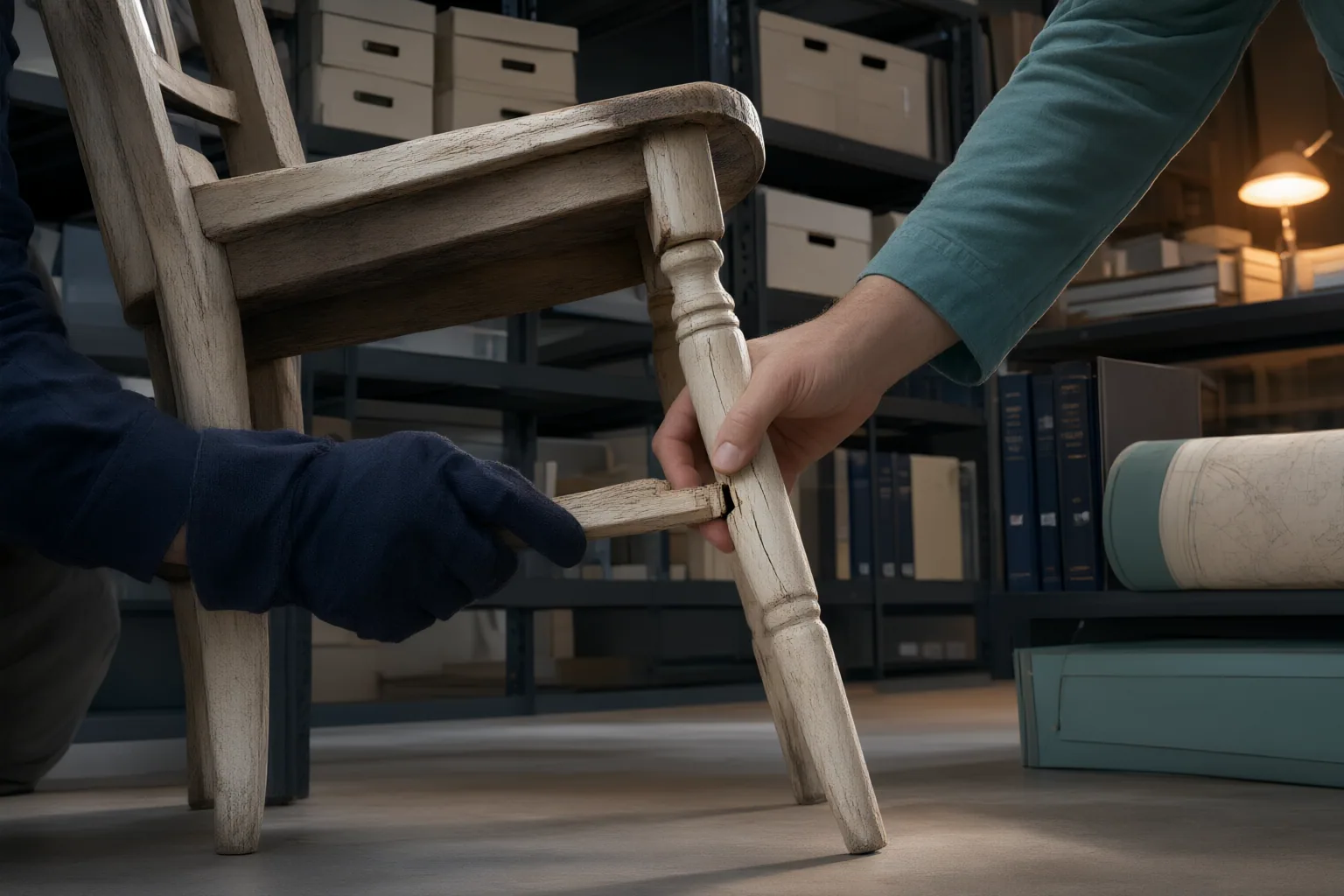
Begin with visible structural condition rather than fabric, finish, or other cosmetic concerns. Look for frame cracks, loose connections, misalignment, uneven weight distribution, and joints that no longer fit tightly. On a chair or sofa, lateral sway, gaps where legs meet the seating frame, or arms and backrests that move independently can indicate compromised joints.
These observations are warning signs, not a validated load test or proof that an item is safe. Subtle shifting or warping may be easier to see than an internal fracture. If the extent of instability cannot be confidently assessed, avoid treating a cosmetic update as the solution.
Look Beneath Sagging, Softness, and Uneven Seating
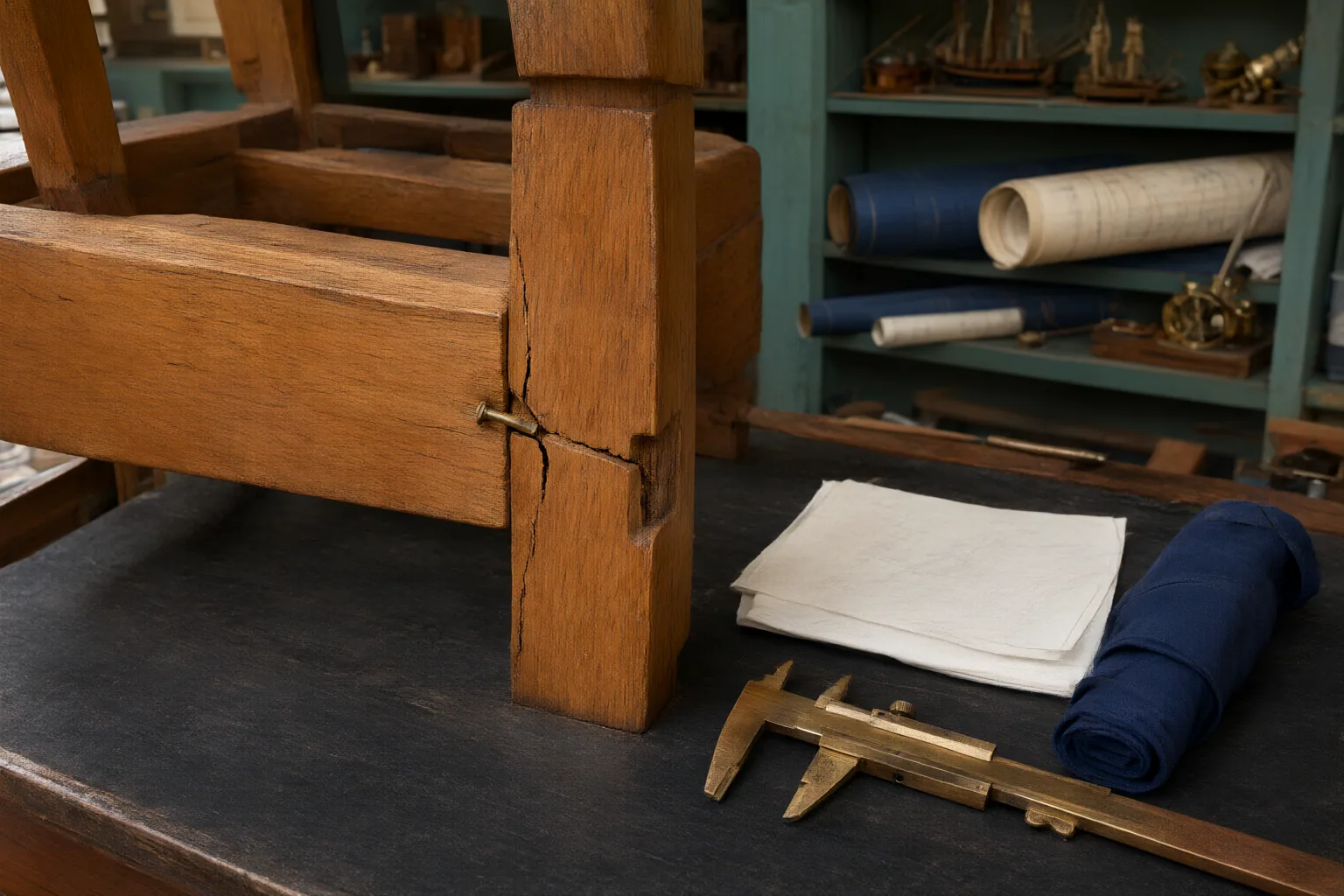
Do not assume every sagging or soft seat needs only new foam. A localized soft spot or excessive yielding can indicate a cracked structural rail. Uneven or sagging seating may also result from webbing or springs that are stretched, broken, detached, or no longer securely connected.
Inspect the underlying support system before paying for cushions or upholstery. Replacing surface materials while leaving a damaged rail, spring, webbing section, or attachment unresolved may conceal the problem without restoring dependable support. Because the supplied sources establish no universal consumer testing threshold, uncertainty about concealed damage should be treated cautiously.
Match the Safety Check to the Furniture Type
The inspection should reflect how the item is built and used. For seating, check the frame, joints, legs, supports, and moving parts. For tables, dressers, bed frames, cabinets, racks, office chairs, and shelving, examine relevant load-bearing parts, welds, glue points, shelf supports, screw holes, hardware, and assembly fit.
Ready-to-assemble furniture also requires its complete fasteners, safety-related components, labels, warnings, and understandable instructions. Missing hardware or unclear assembly information can make an otherwise undamaged item unsuitable for normal use. Stability materials and anchors are especially important where supplied or required for the design.
One secondary source discusses U.S. clothing-storage-unit requirements, including stability evidence, warnings, anchors, model identification, and instructions. Confirm any regulatory conclusion against current official CPSC materials before relying on that statement.
Conclusion
The repair-or-replacement decision should begin with structure. Cracked frames, separated joints, unstable supports, damaged load-bearing parts, missing hardware, or incomplete assembly information deserve attention before refinishing, cushion replacement, or reupholstery.
Visible defects may help identify a problem, but they do not reveal every concealed fracture or establish that furniture can safely carry a particular load. The supplied sources provide practical inspection points, not a universal safety test. Inspect the frame, supports, connections, hardware, and assembly materials first. Stop using the item when its stability or concealed damage cannot be confidently assessed, and base any next step on the underlying condition rather than appearance alone.
Disclosures and limitations
- This article was prepared with AI assistance from the supplied research package. Its factual claims were synthesized from three commercial blog sources, not independent product testing, primary engineering standards, or firsthand experience.
- Regulatory statements from secondary sources should be checked against current official CPSC materials before they are used as safety or compliance guidance.
Related reading
Sources
- Ensuring Structural Integrity in Furniture: A Guide for Furniture Repair Coordinators — datacalculus.com
- How to Spot Quality Craftsmanship in Custom Upholstery Work — Nesco Upholstery and Design
- Furniture Quality Inspection Checklist 2026 · TradeAider — TradeAider