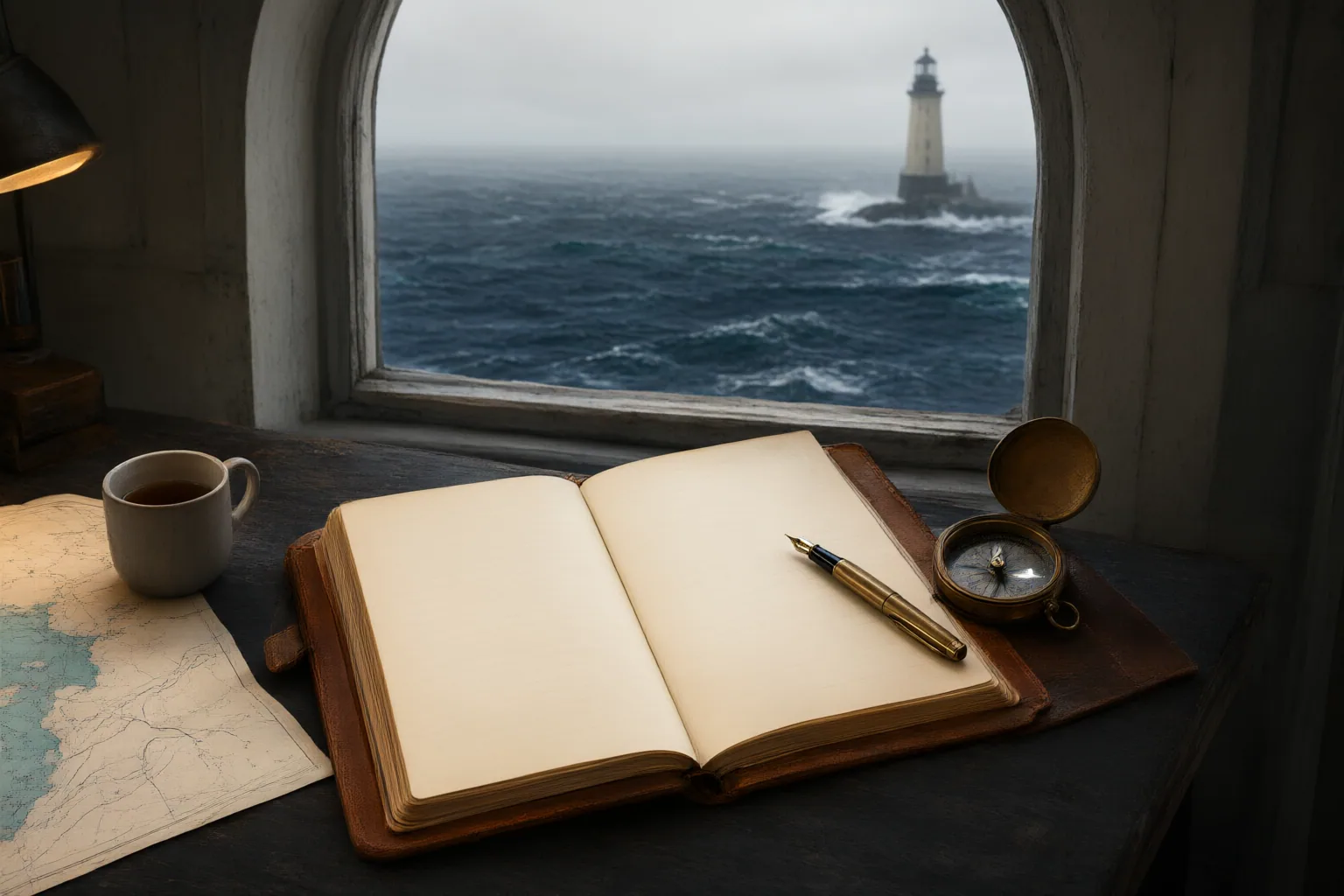
U.S. lighthouse keepers’ logs provide dated evidence about weather and station operations. Read across consecutive entries, they can illuminate changing conditions and routines, but broader conclusions about shipping or island communities require corroborating records.
What Lighthouse Keepers Recorded
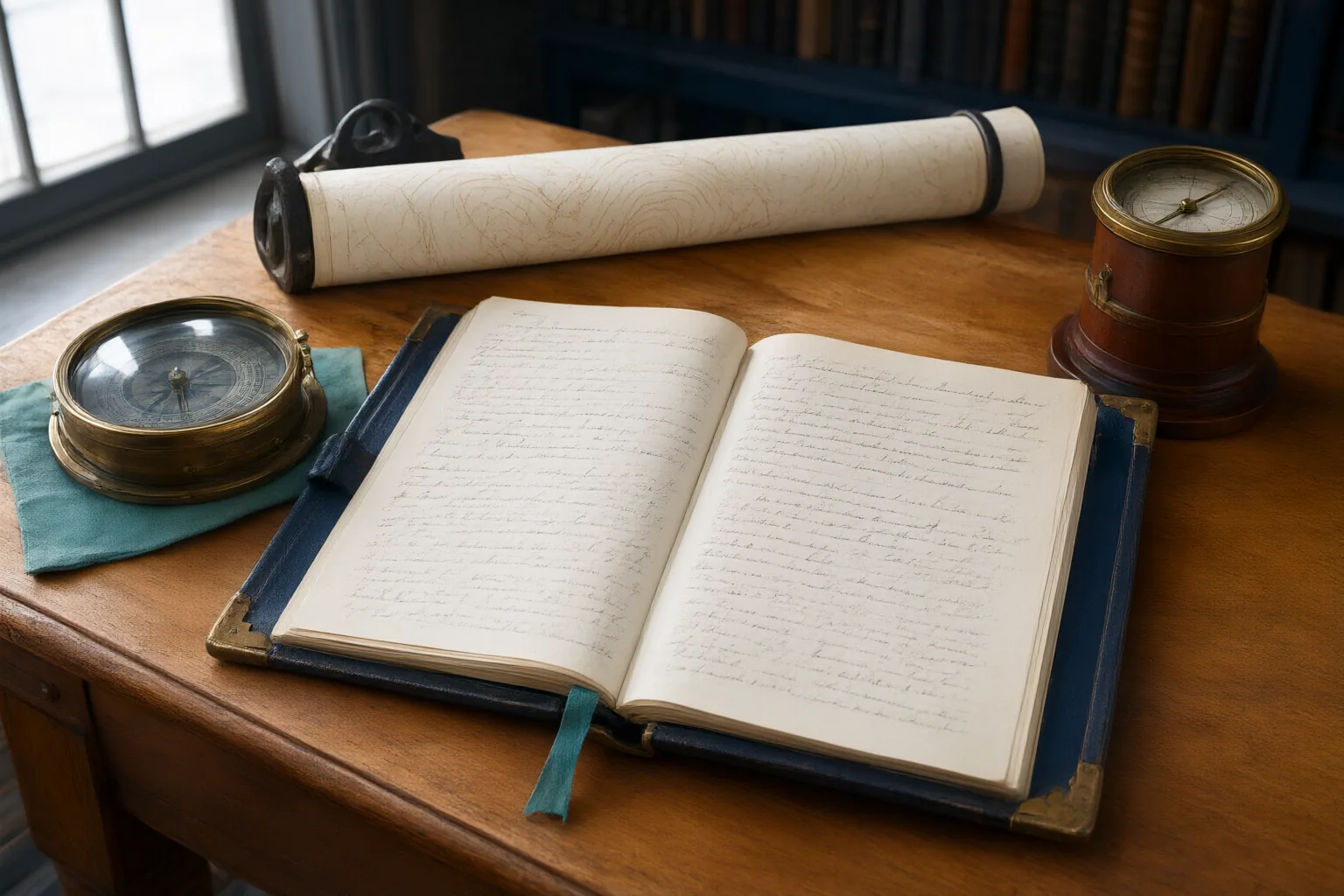
The National Archives states that its U.S. lighthouse logbook holdings begin in 1872, when the federal government started requiring keepers to maintain records. Early entries often reduced the weather to a single line, while also noting events such as repairs, personnel changes, inspections, and rescues. Later logs generally recorded similar subjects in greater detail. These dated observations provide a structured record of both environmental conditions and the work needed to operate a lighthouse station.
Reading Logs for Weather, Shipping, and Station Routines
A single brief entry offers only a narrow view. Comparing consecutive dates can show whether a weather description was isolated or part of recurring conditions. Repairs, inspections, staffing changes, and rescues can likewise help establish the sequence and rhythm of station operations.
Such entries may provide clues for studying maritime activity, especially when an incident or rescue is recorded, but they do not automatically establish wider shipping patterns. Nor do station records alone describe an entire island community. Researchers should distinguish what an entry directly documents from interpretations developed through comparison with other dates and record types.
Finding and Evaluating Lighthouse Records
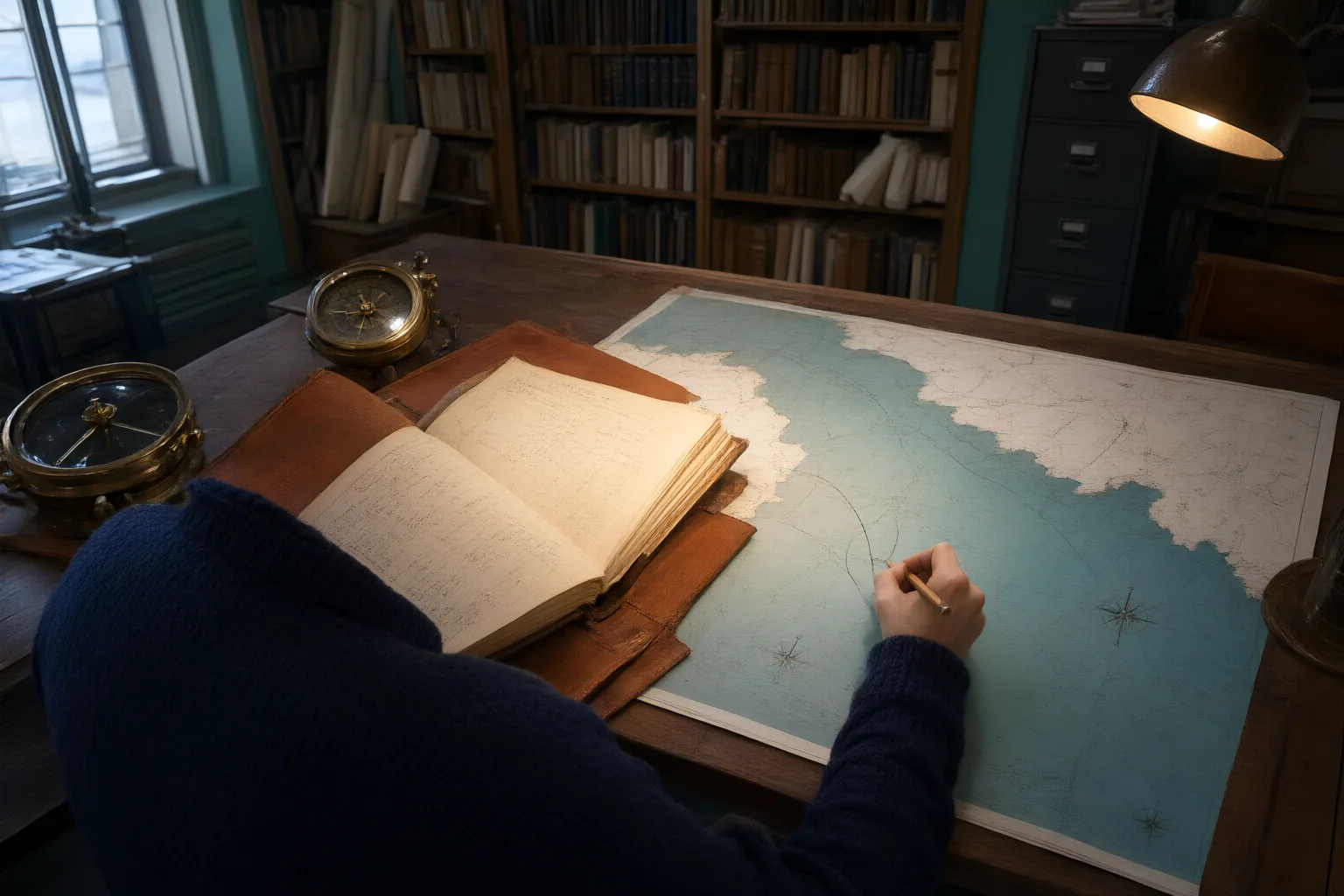
A documented starting point is Record Group 26 at the National Archives. Its Lighthouse Station Logs are described as spanning 1897–1941, with inclusive dates of 1872–1941, under National Archives Identifier 559753. The archival context changes in 1939, when the U.S. Lighthouse Service became part of the U.S. Coast Guard. Some logs from the period of U.S. involvement in World War I, 1917–1919, may instead be filed with U.S. Navy logbooks in Record Group 24.
Provenance matters as much as content. An online first-person story may imitate a keeper’s log by mentioning weather, vessels, maintenance, or deliveries. The supplied Night Shift Tales page also introduces supernatural claims, however, and does not independently verify historical events. Treat log-style storytelling as literature unless its assertions can be traced to archival records.
Conclusion
Lighthouse logs are strongest as dated records of weather and station operations. Their notes can support careful research into working routines and particular maritime incidents, but wider claims require comparison and corroboration. Choose a lighthouse station and date range in the National Archives catalog, examine consecutive entries, and check related record series before drawing conclusions.
Disclosures and limitations
- This article was prepared with AI assistance using only the supplied National Archives guide and fictional-style narrative as source material. Historical claims are limited to what those sources support.
- No products are recommended and no affiliate relationship is represented. Readers should consult the underlying archival records before making broader historical conclusions.
Related reading
Sources
- Logbooks of the US Lighthouses, 1872-1940 — National Archives
- The Lighthouse Keeper's Log – Night Shift Tales — Night Shift Tales