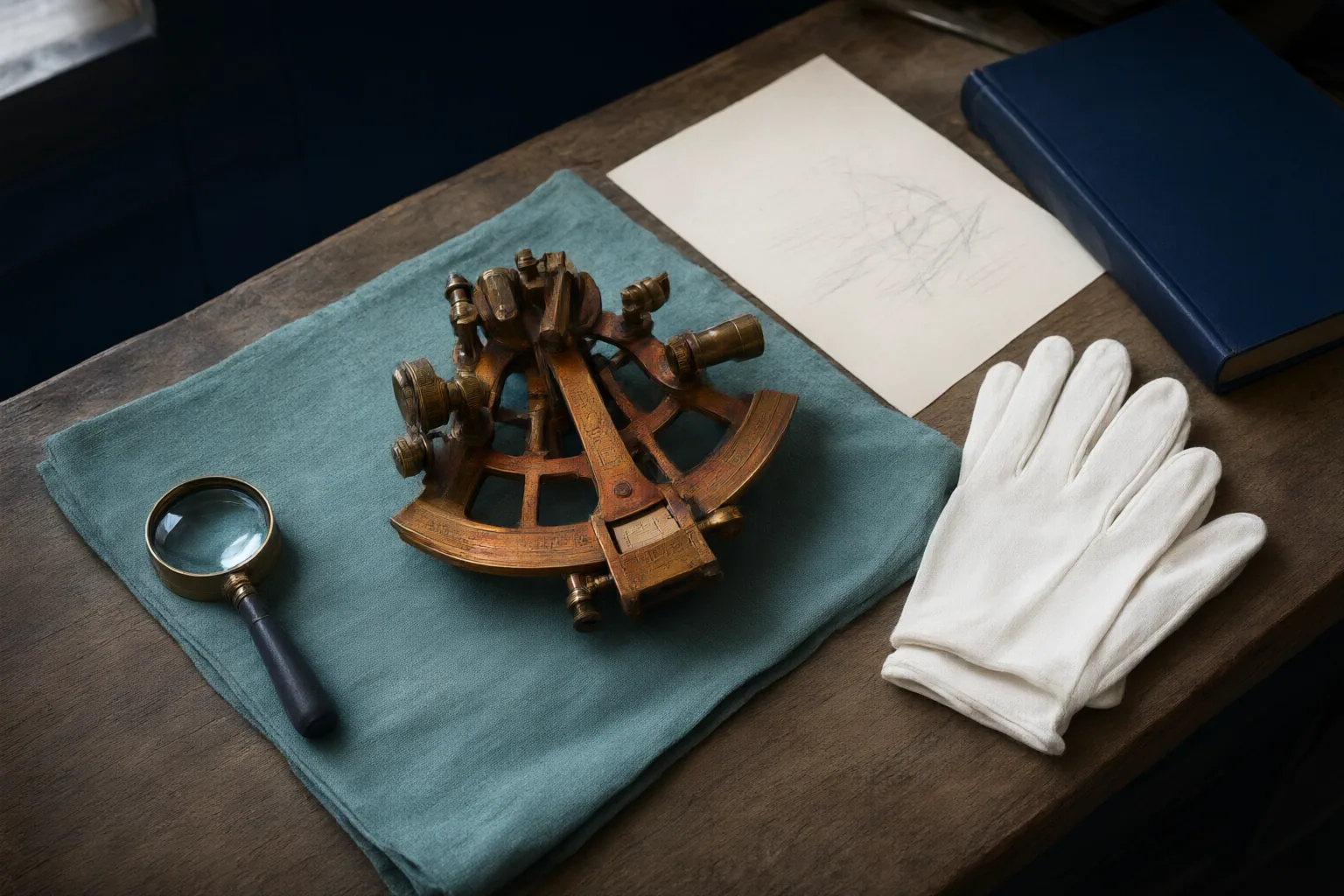
Maker’s marks and ownership inscriptions can guide an authenticity check, but neither proves authenticity alone. Before buying, compare them with the object’s physical features, dates, condition, and documented history.
What Marks and Inscriptions Can—and Cannot—Establish
A maker’s mark, signature, hallmark, serial number, or ownership inscription is best treated as a lead that requires corroboration. Examine whether the object’s materials, craftsmanship, construction, aging, design, and condition are consistent with the claimed maker and period. Repairs and alterations also matter because they may complicate what the mark appears to establish.
Confidence increases when the object, its dates, and its records agree. Conversely, a convincing-looking mark should not override incompatible construction or period details. The central buying principle is simple: inspect the whole object rather than allowing one inscription or signature to carry the attribution.
Preserve and Document the Evidence Before Inspection
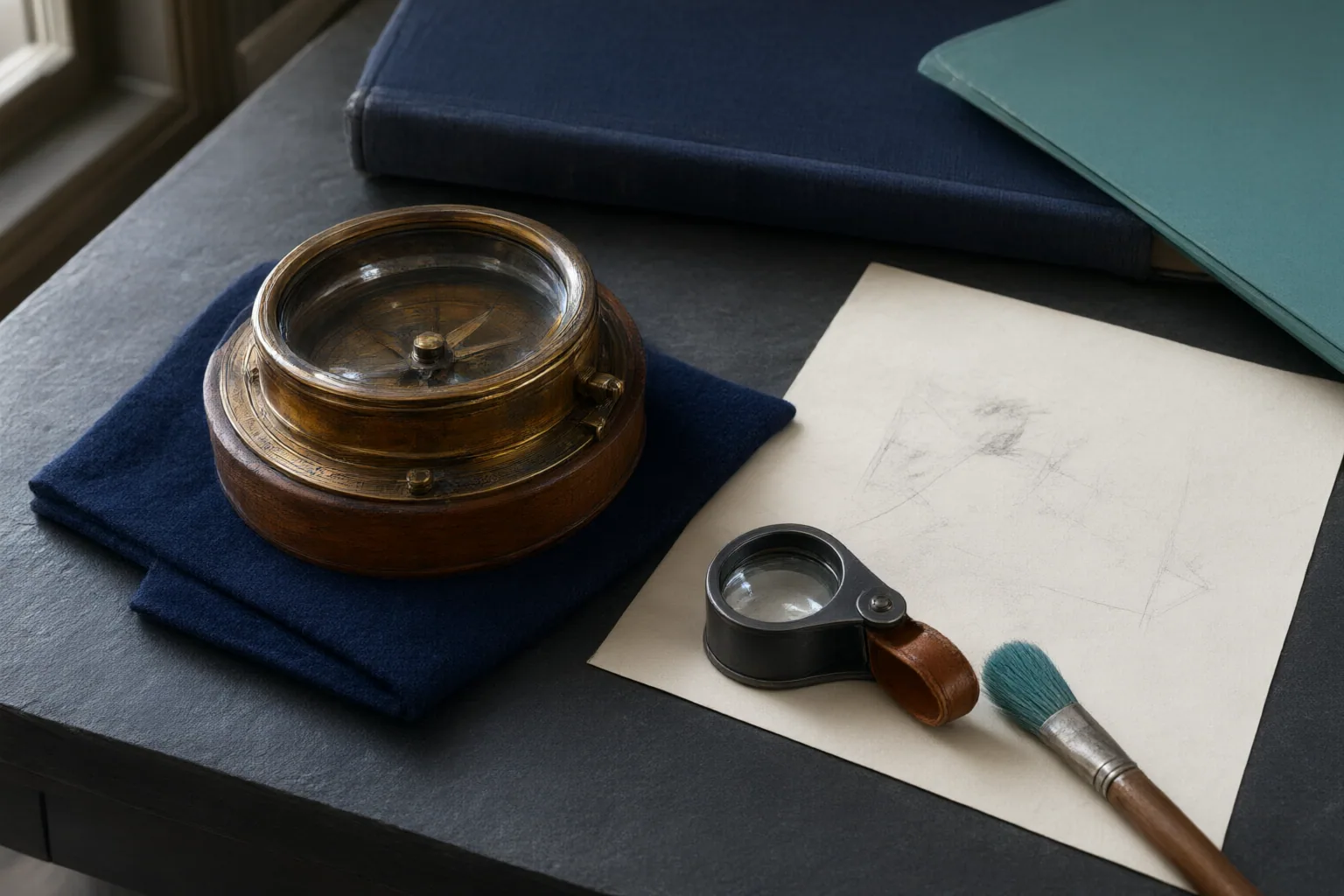
Document the object as found before cleaning, polishing, or removing anything. Take clear photographs of the complete object and close-ups of marks, labels, inscriptions, repairs, wear, the underside, and the interior. This creates a record of details that cleaning or alteration could obscure or destroy.
For an online offer, ask for missing views rather than drawing conclusions from a limited listing. Useful requests may include additional photographs, measurements, readable hallmark images, and specific condition details. Preserve the seller’s supplied images and documents so that each claim can be compared with the same object. Do not treat an unclear photograph as confirmation of what a mark says.
Cross-Check the Object Against Its Provenance
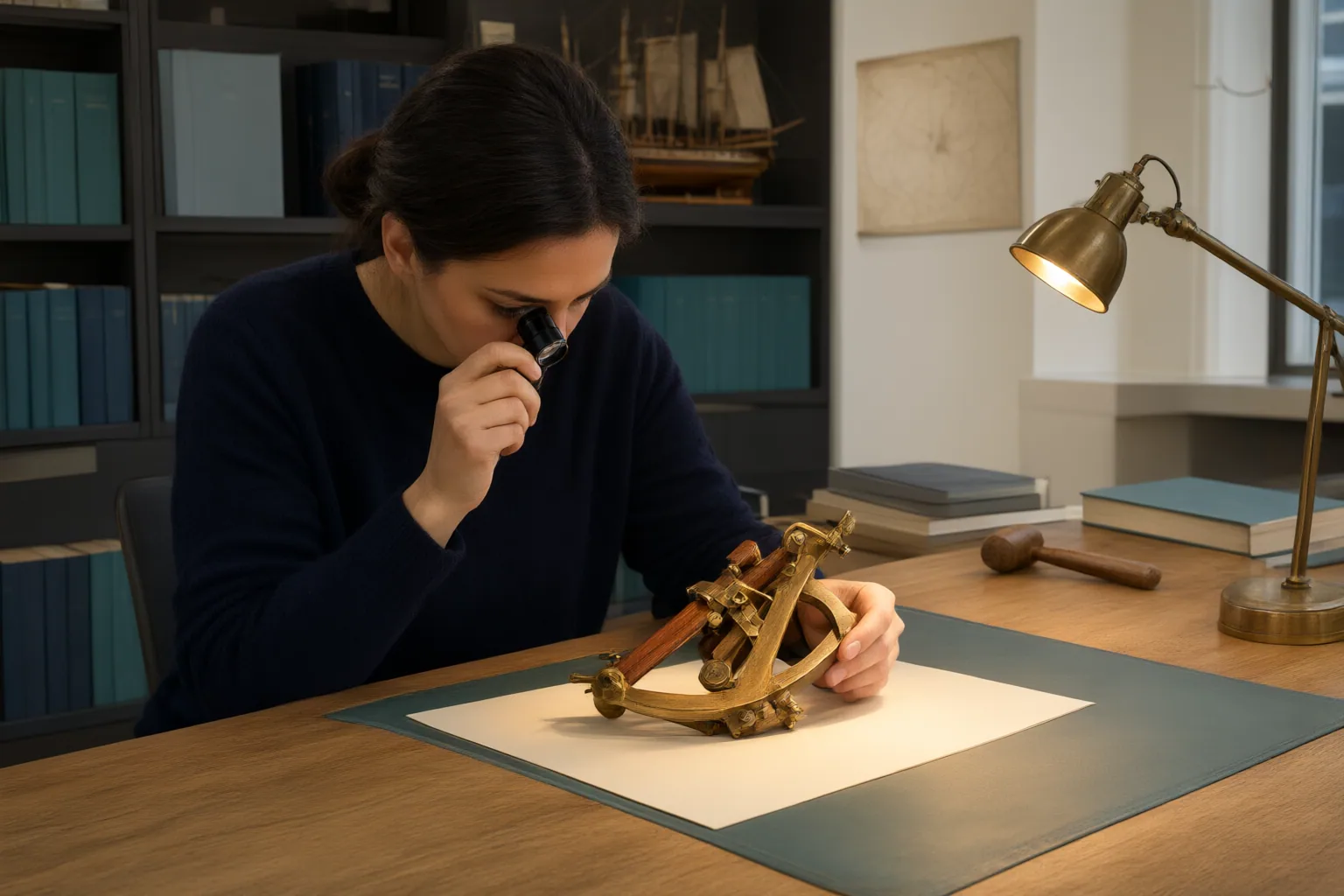
Provenance is the documented history of an object. Potentially useful records include receipts, photographs, labels, wills, auction listings, and appraisals. Boxes, certificates, and service papers may also support an account of an item’s history, but they do not replace examination of the object itself.
Compare names, dates, descriptions, and visible characteristics across the records and the object. Ask whether an ownership inscription fits the documented chain of ownership and whether a maker’s mark was used during the claimed period. A backstamp associated with 1930s production, for example, would conflict with a claimed 1880 purchase.
Keep family stories distinct from verified evidence. A story may be sincere and still lack independent documentation. Likewise, paperwork can accompany an object without matching its dates or physical characteristics. Record discrepancies instead of smoothing them over, and identify which claims remain unsupported before deciding whether to buy.
Conclusion
Before purchasing, preserve clear images of every mark and inscription, inspect the entire object, and compare its construction, materials, condition, repairs, and dates with the accompanying records. Look for agreement across independent physical and documentary evidence, not merely a persuasive signature or ownership story.
If photographs, measurements, condition information, or provenance records are missing, request them. When significant inconsistencies remain, pause the purchase and seek an object-specific review rather than treating the mark or paperwork as conclusive.
Disclosures and limitations
- This article was prepared with AI assistance from the supplied research package and relies on an editorial collecting guide and a commercial antique-jewelry seller’s stated practices.
- No specific object was authenticated, and no product, price, or purchase recommendation is presented. No affiliate relationship is claimed.
Related reading
Sources
- Antique Provenance: How to Document and Verify It | TIQ — Antique Identifier – TIQ
- Authenticity Promise | DSF Antique Jewelry — DSF Antique Jewelry