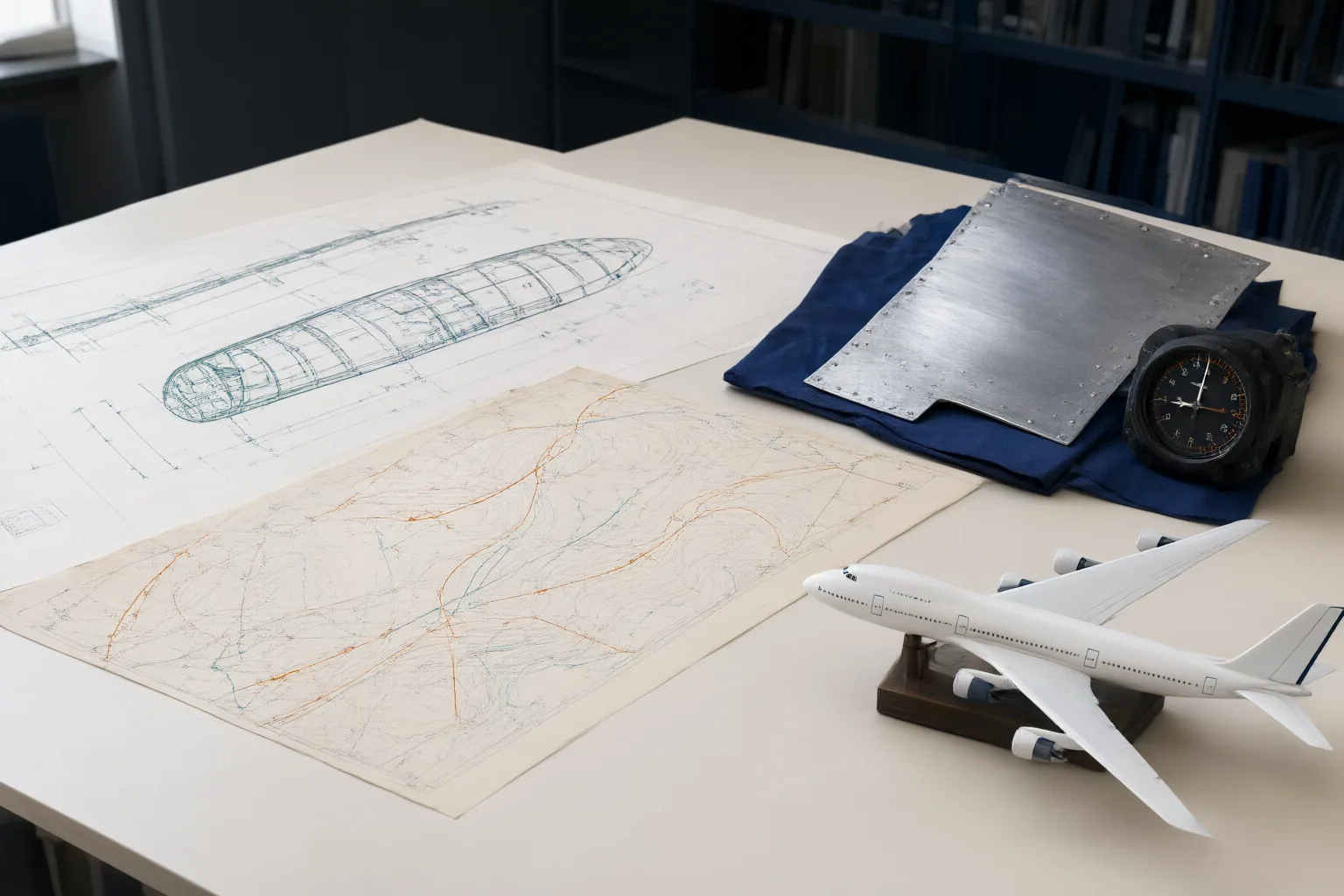
How to Research the Boeing 747 in American Aviation History
Build a Boeing 747 research project around a dated chronology, variant-specific evidence, design and infrastructure records, and careful evaluation of artifact provenance.
Read moreHistory in Context
Read clear, source-aware guides to civic traditions, maritime journeys, and objects from the past.
Build a Boeing 747 research project around a dated chronology, variant-specific evidence, design and infrastructure records, and careful evaluation of artifact provenance.
Read more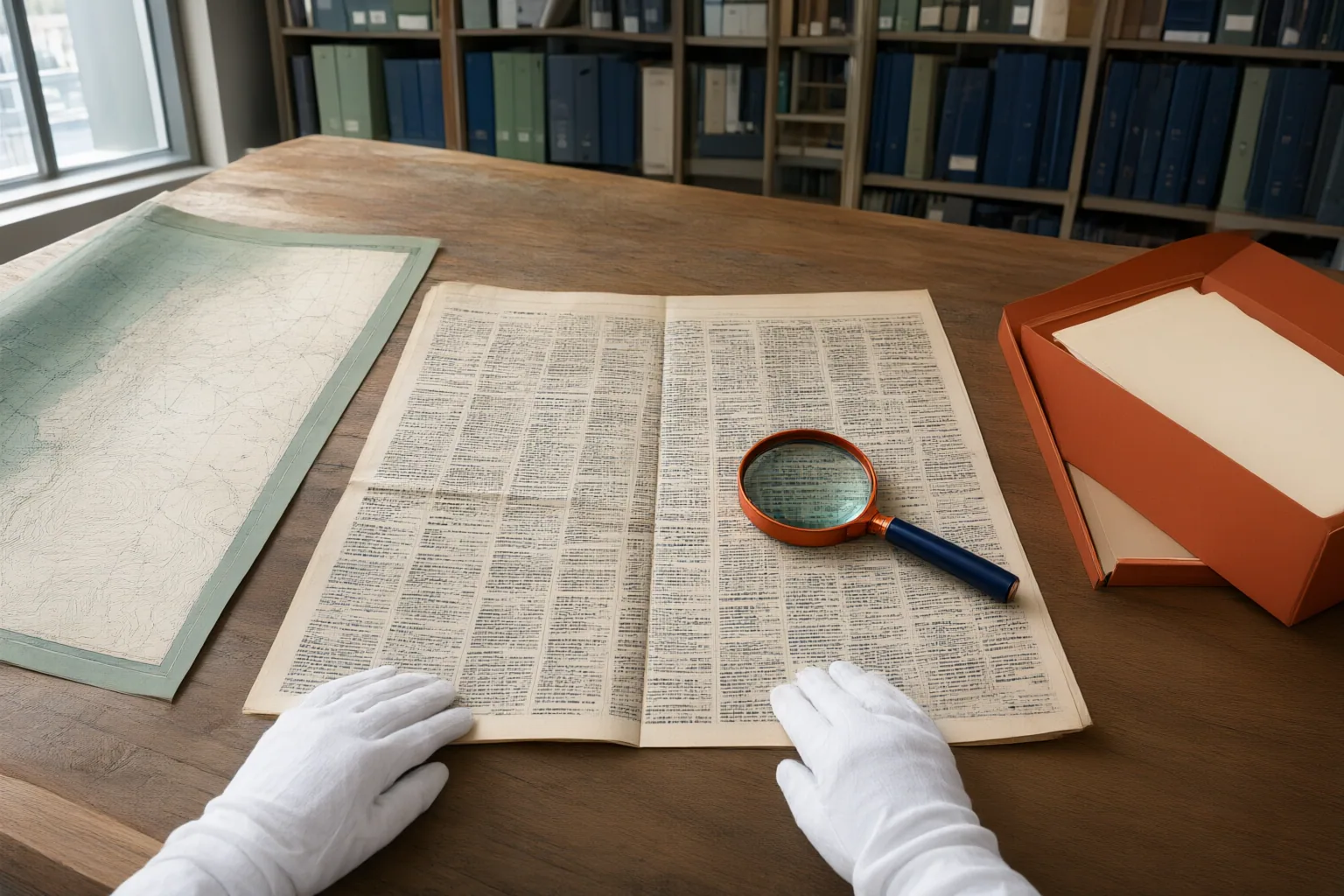
Historical newspapers combine reporting, editorials, advertisements, creative work, statistics, sensational material, and gossip. Identify a passage’s type and purpose, inspect its full-page context, consider…
Read more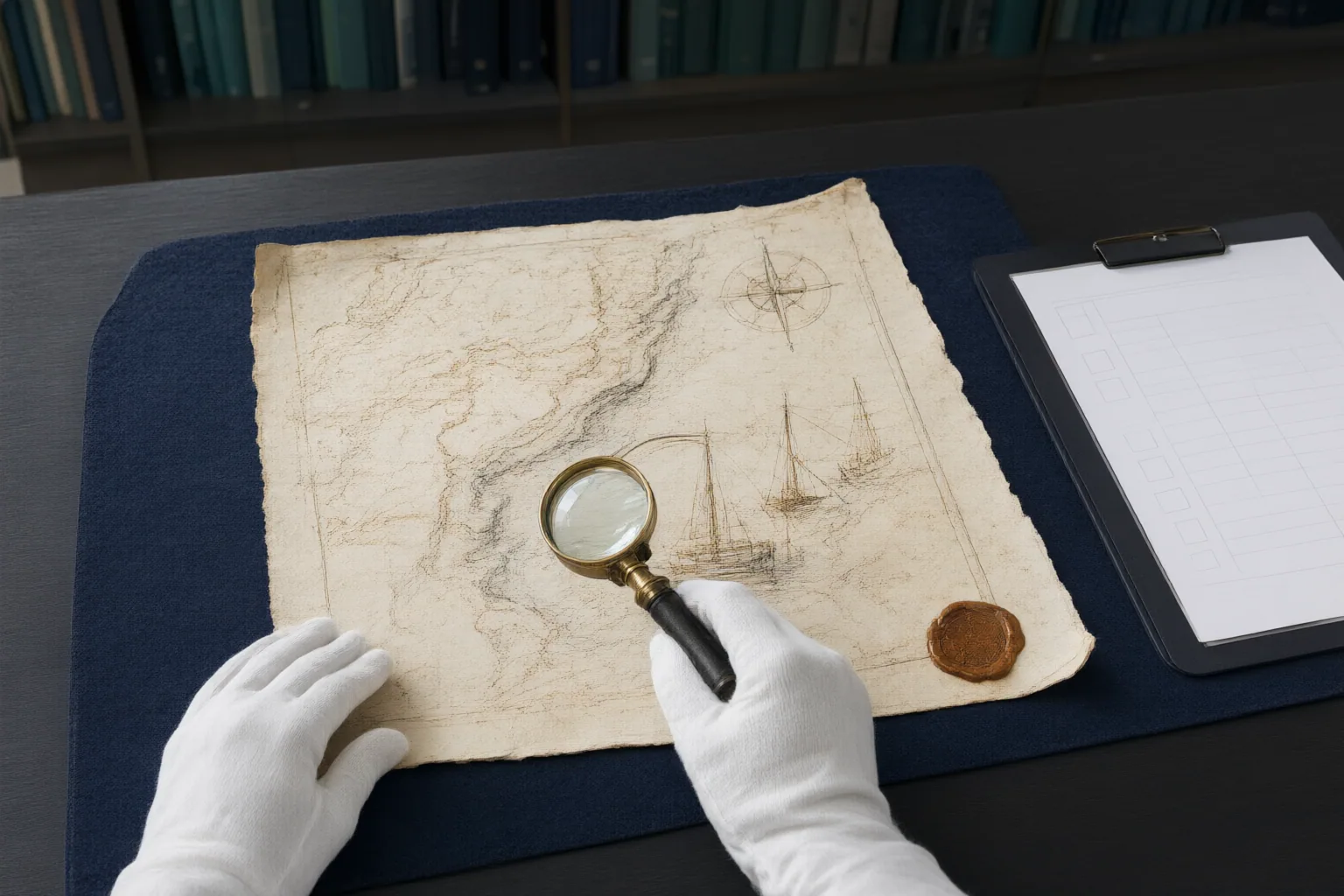
A practical guide to reviewing an antique document condition report for dated authorization, visual evidence, damage, treatment history, active risks, and future handling and…
Read more
Use Sanborn fire insurance maps to research historical buildings and neighborhoods by locating the correct edition, volume, and sheet, then consulting the volume-specific key…
Read more
Before buying a Van Gogh-related object, investigate its ownership history and attribution separately, review gaps or contested transfers, compare closely matched sale records, and…
Read more
The New York City Marathon began as a small Central Park race and became a recurring five-borough event. Its route, annual schedule, participation pathways,…
Read more
Compare the actual price of a qualifying added item with the delivery charge it would remove, then check eligibility, seller charges, remaining fees, and…
Read more
Census records are evidence, not complete family histories. Learn how to examine household listings, images, nearby entries, conflicting details, and citations before confirming a…
Read more
Memorial Day developed from local grave decorations into a recurring civic observance. Flowers, processions, prayer, speeches, flags, cemetery visits, and collective attention made remembrance…
Read more01Explain civic traditions, public language, and the people and debates associated with them.
Explore 0203
Explore historically significant objects, collecting contexts, and documented sale records.
Explore04Readers come to Old Time Islands for historical context that is clear enough for first-time visitors and solid enough to support deeper study. The site brings together civic traditions, maritime journeys, and material culture so that students, educators, and independent researchers can move from a broad question to a more focused line of reading without losing sight of evidence, chronology, or historical debate.
American history is often encountered in fragments: a familiar civic phrase, a ship’s name in a local record, an object in a sale listing or family collection. This site is organized to reconnect those fragments to the wider settings that gave them meaning. Each page aims to explain what a subject is, why it mattered in its own time, and how readers can distinguish documented information from later interpretation.
Rather than treating the past as a set of isolated facts, the publication focuses on connections. Civic language belongs to institutions, schools, ceremonies, and public argument. Maritime stories link vessels, ports, labor, weather, trade, and island communities. Objects carry traces of design, use, exchange, and memory. Putting those strands side by side helps readers see how American life was shaped through both everyday practice and larger historical change.
The site’s core sections offer different entry points depending on what you want to investigate next. In Civic Life, readers can explore public language, shared rituals, reform debates, and the people who influenced how civic identity was expressed. It is a useful starting point for questions about ceremonies, pledges, institutions, and contested meanings in public culture.
The Maritime section follows voyages, waterfront work, vessels, and island connections. These stories are especially helpful when a single journey opens onto a wider history of trade routes, local communities, navigation, or regional change. The goal is not just to recount movement from one place to another, but to place that movement in human and material context.
In Collections, attention shifts to objects and documented records. Readers will find pages that help interpret artifacts, collecting contexts, and sale results without inflating uncertain details. This section is designed for people who want to understand what an object can reliably show about craftsmanship, ownership, exchange, or historical interest.
The Research section supports the rest of the site by explaining how topics are framed, what kinds of sources matter, and where caution is needed. It helps readers compare claims, identify stronger evidence, and continue their own work with a more critical eye.
Each guide is written to be useful on its own, but the broader value of the site lies in movement between pages. A reader may begin with a civic phrase, continue into the biography of a key figure, then compare later interpretations. Another may arrive through a voyage narrative and leave with a clearer picture of harbor life, vessel technology, or island exchange. The structure is meant to support that progression from orientation to detail.
This makes the site especially practical for classroom preparation, independent reading, and early-stage research. It can help you frame a topic before turning to specialist archives, identify the historical stakes behind a familiar symbol, or place a document or object within a more intelligible story. When certainty is limited, the writing stays measured; when evidence is strong, the context becomes more precise.
The best way to use Old Time Islands is to begin with the subject area that matches your question and then read outward. Explore a category, compare related pages, and pay attention to where interpretation rests on firm documentation and where it remains open to debate. That approach keeps the past readable without flattening its complexity, and it gives every visitor a practical route into American history in context.
Old Time Islands
Choose a topic to continue.
General readers, students, educators, and independent researchers seeking clear historical context and paths to further study.